How 3D scanning helped restore Notre Dame after the great fire
Thanks to pre-existing 3D scans, Notre Dame's restoration after the 2019 fire was remarkably precise. LiDAR technology provided a detailed digital blueprint, preserving architectural integrity and accelerating reconstruction. This case highlights the vital role of 3D scanning in safeguarding cultural heritage.
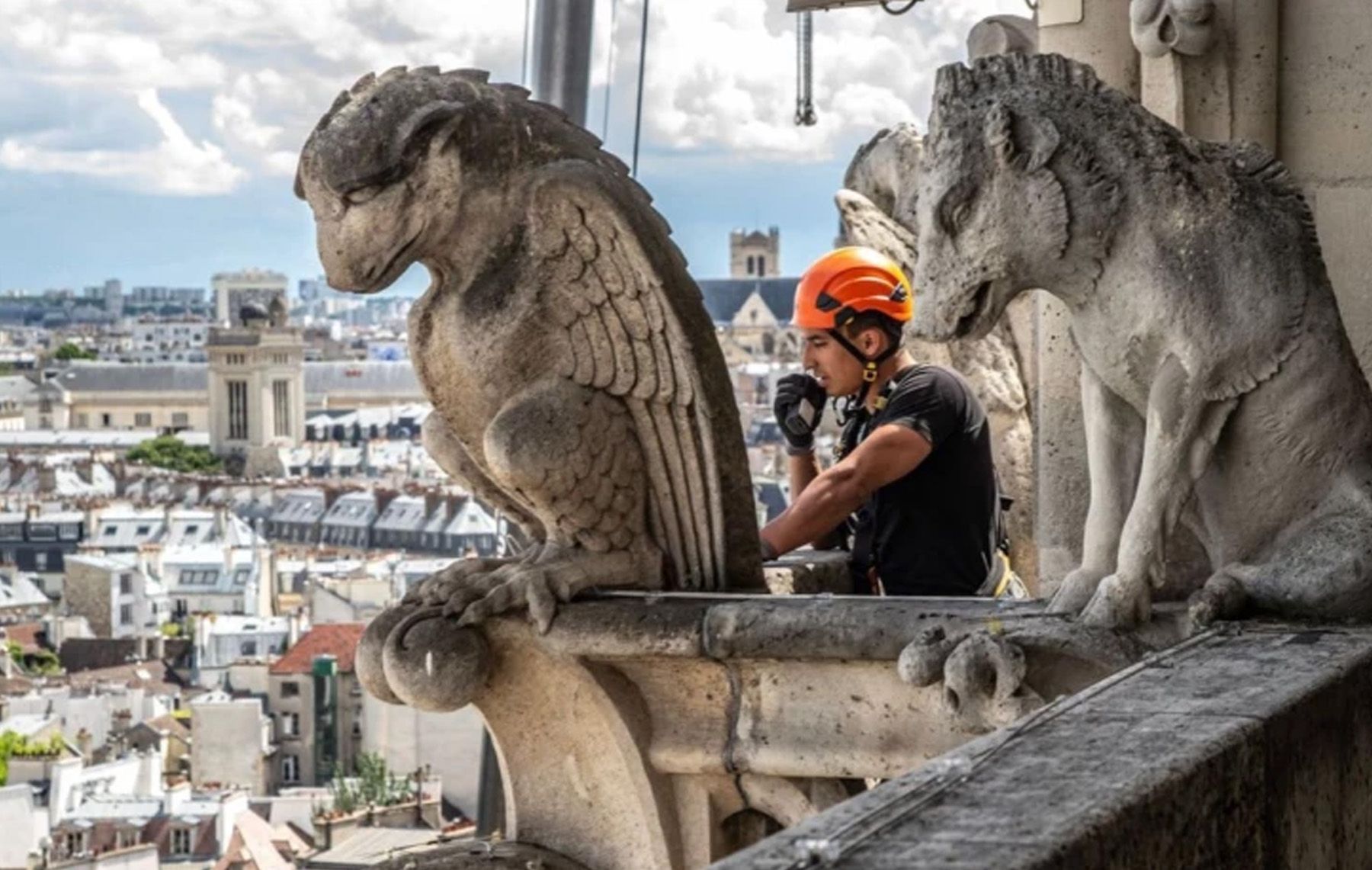
The 3D scanning of Notre Dame before the fire
Long before the fire, Notre Dame had been meticulously 3D scanned by art historian and preservationist Andrew Tallon. Using LiDAR (Light Detection and Ranging) technology, Tallon created a detailed point cloud model of the cathedral, capturing every arch, column and intricate feature with millimeter precision.
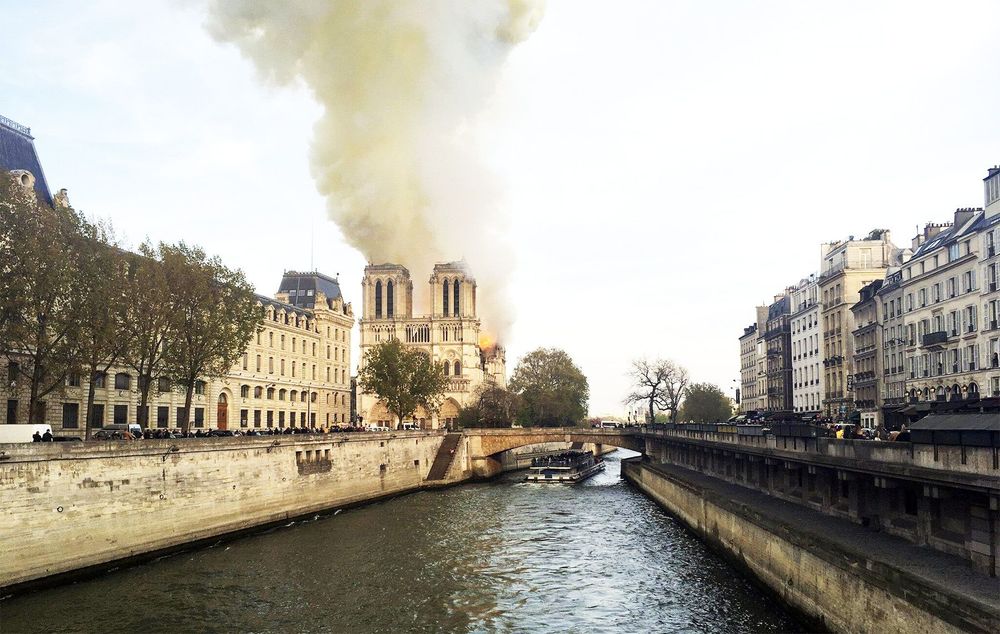
How the scanning process worked
- LiDAR technologyUsed to map every surface of the cathedral by emitting laser pulses and measuring their return times.
- Point cloudsGenerated to form a digital replica of the cathedral’s architecture.
- Accuracy within millimetersEnsured that even the slightest details, from ornate sculptures to the curvature of vaulted ceilings, were recorded.
An essential reference for restoration
This digital blueprint would later become an essential reference for restoring Notre Dame to its original state.
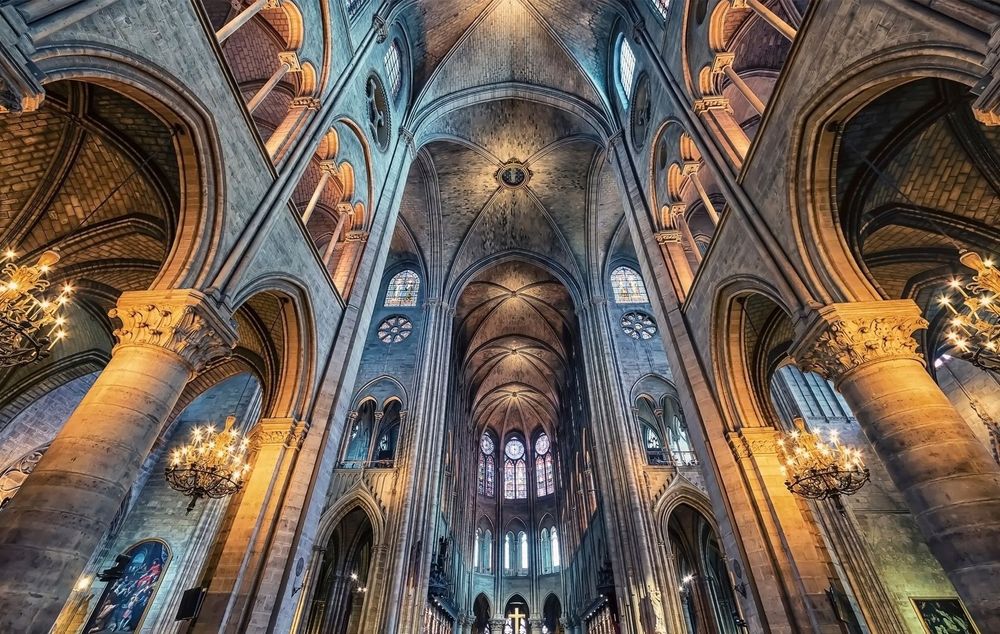
How 3D scanning aided the restoration efforts
After the fire, restoration teams faced a daunting task: rebuilding a structure that was centuries old, with many unique design elements that could not be easily recreated. The 3D scan provided a highly accurate reference model, allowing architects, engineers and artisans to work from a precise digital reconstruction.
From accurate dimensions to future-proof preservation
1. Preserving architectural accuracy
The scans provided exact dimensions, ensuring that every rebuilt element matched the original structure with precision. This level of detail allowed craftsmen to accurately replicate intricate stonework, wooden beams, and stained glass windows, preserving the historical authenticity of the building.
2. Guiding structural stability assessments
Engineers relied on the digital model to assess damage and identify weakened areas that required reinforcement. By analyzing the scans, they could determine how much of the original structure could be salvaged, enabling a more strategic and informed restoration process.
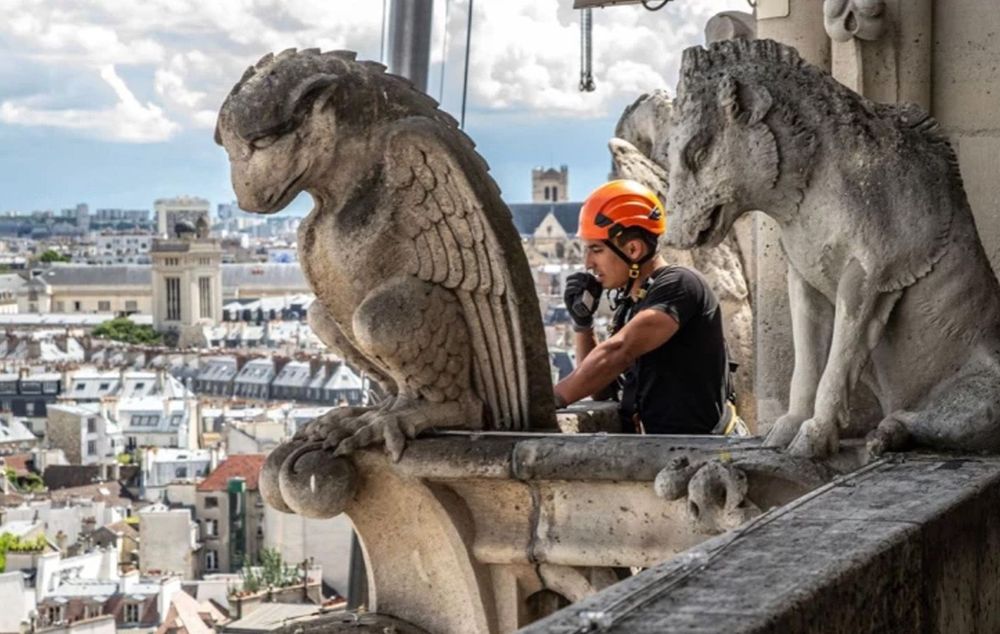
3. Accelerating the rebuilding process
Having a detailed digital blueprint eliminated the need to rely solely on historical documents or photographs, allowing restoration teams to work more efficiently. Advanced fabrication techniques, such as 3D printing and CNC machining, were used to recreate destroyed sections with exceptional precision, significantly speeding up the reconstruction.
4. Future-proofing for preservation
The Notre Dame project showcased how digital scans can serve as long-term preservation tools, ensuring that accurate records of historic structures remain available for future generations. This same technology is now being used to scan other historic landmarks as a preventive measure, safeguarding their details before potential damage occurs.
The role of 3D technology in historic preservation
The successful use of 3D scanning in Notre Dame’s restoration has inspired similar initiatives worldwide. Historic landmarks and cultural sites are now being digitized to safeguard them against future disasters.
- The Pyramids of Egypt3D models help monitor structural integrity over time.
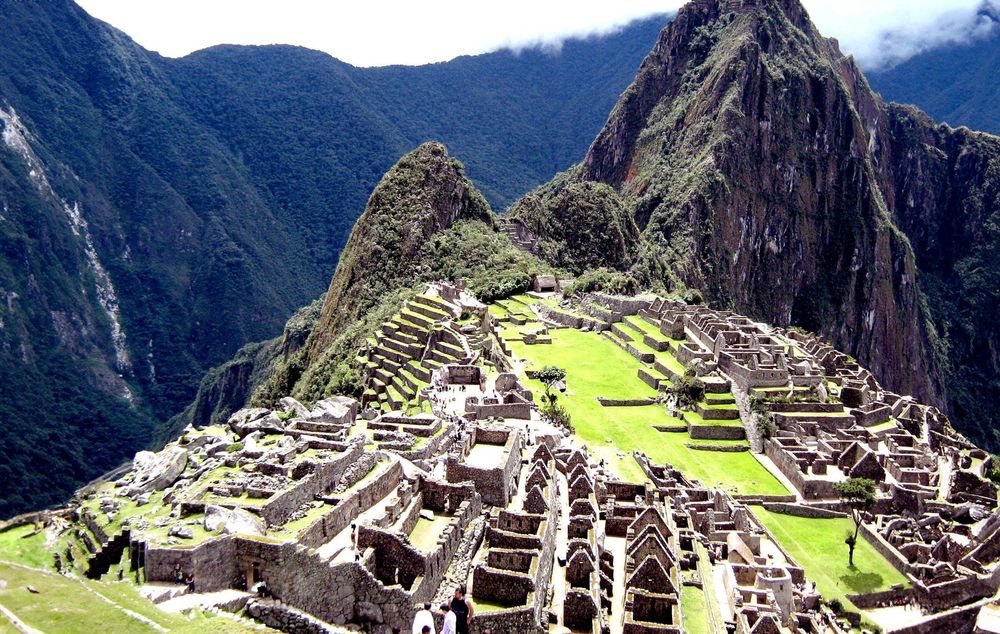
- Machu Picchu, PeruScans assist in conservation planning and prevent environmental damage.
- The Statue of Liberty, USADetailed scans preserve the monument for future generations.
Conclusion
Notre Dame’s restoration stands as a powerful testament to the importance of 3D scanning in historic preservation. What could have been an irreversible loss was mitigated thanks to LiDAR technology and point cloud data, allowing the cathedral to be faithfully reconstructed. As technology advances, digital preservation is becoming an essential tool in protecting the world’s architectural heritage for generations to come.
Related articles
GEO Business 2026 recap: Why our latest Pointorama release turned heads
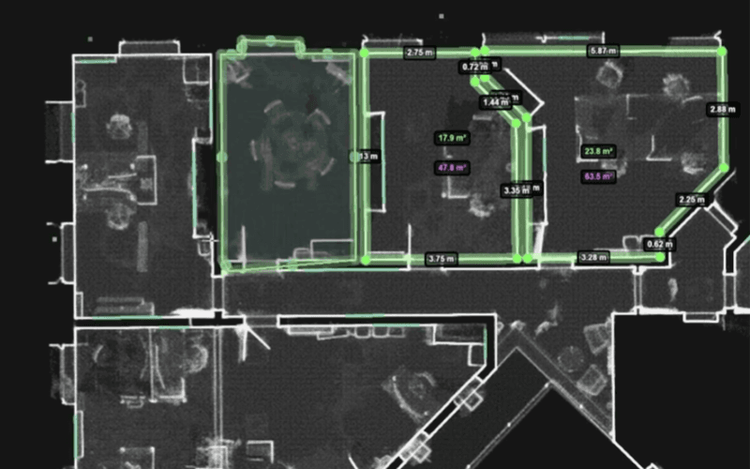
At GEO Business 2026, Pointorama showcased its latest release, demonstrating how professionals can transform point clouds into accurate floor plans, measurements and deliverables within a single platform. Discover the new features, the industry's biggest challenges, and how AI-powered automation is helping teams work faster and more efficiently.
INTERGEO 2026: Meet Pointorama in Munich
Meet Pointorama at INTERGEO 2026 in Munich. Discover our latest Scan-to-Floorplan innovations, see live demos and claim your free visitor voucher.
Accurate indoor measurements made easy with Pointorama
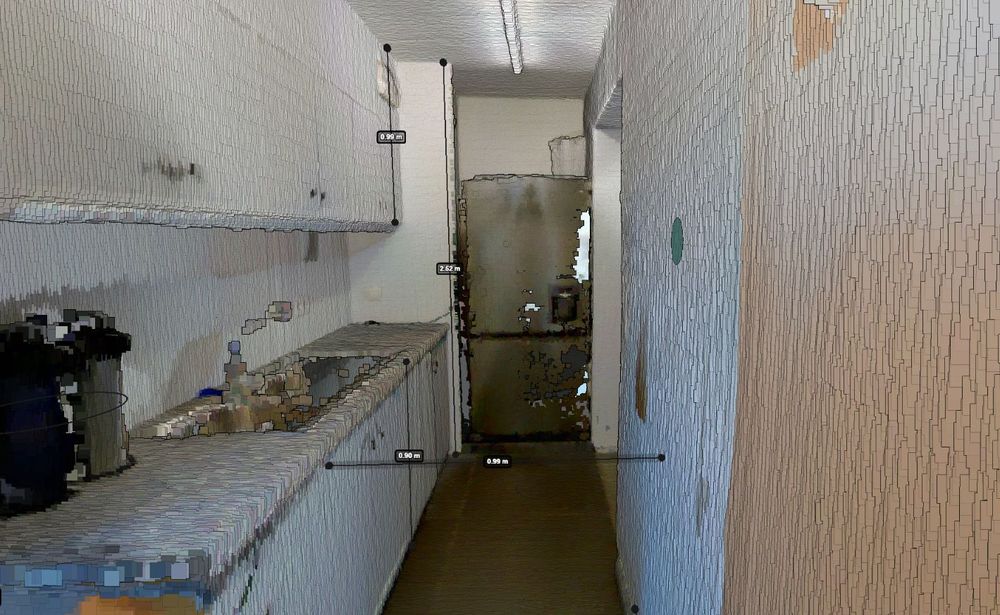
Quick, reliable, and truly intelligent. With built-in surface recognition, you can now measure walls, ceilings and floors directly within your digital floorplan - no extra tools, no second-guessing. Whether you're in surveying, real estate, or architecture, this is accuracy made effortless.