Navigating the future: 3 trends in point cloud technology and the role of AI
What are the three key trends of point clouds? And how does Artificial intelligence (AI) plays a pivotal role in their advancement?
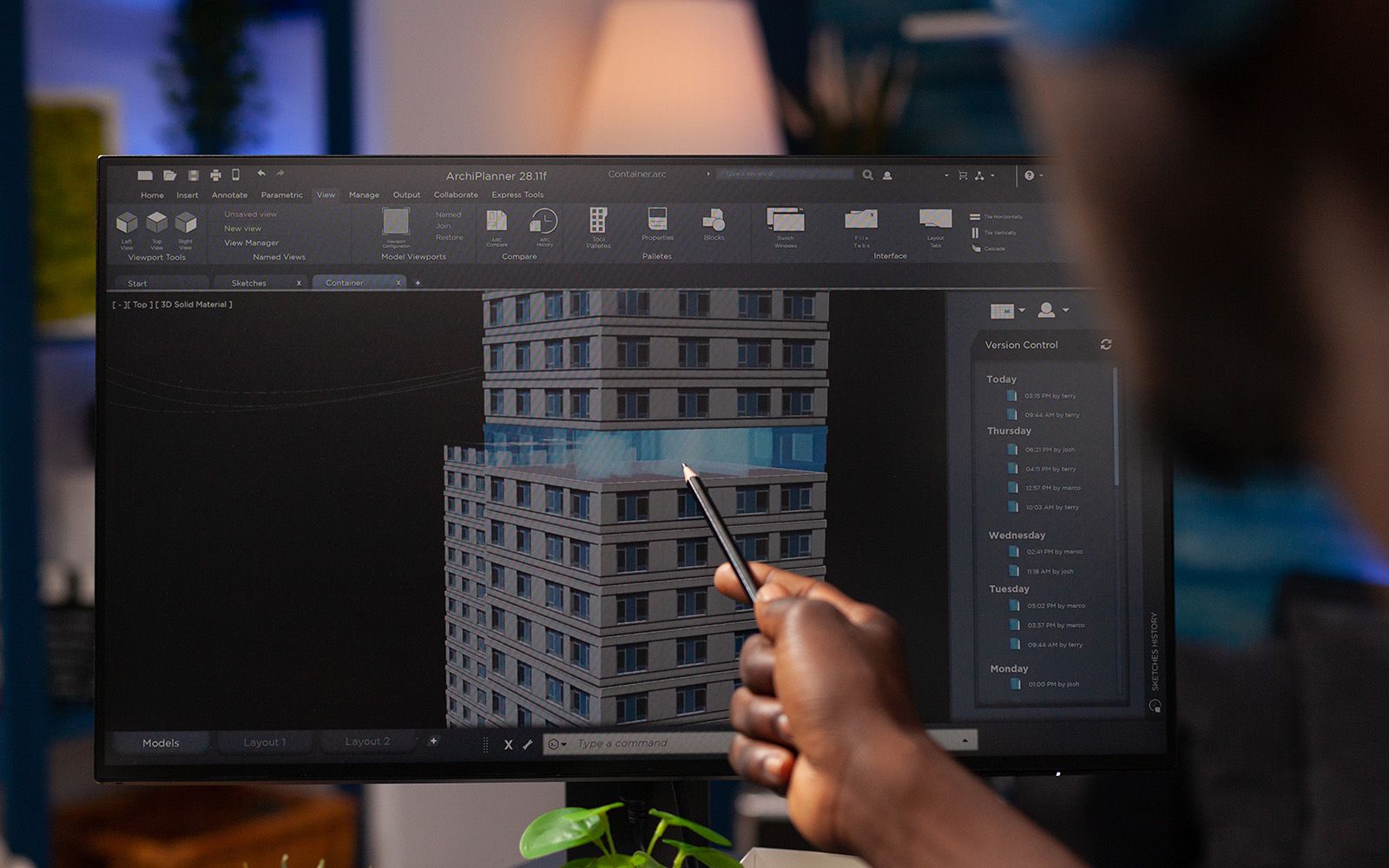
Integration with Building Information Modeling (BIM)
Building Information Modeling (BIM) has revolutionized the construction industry by enabling stakeholders to collaborate on a digital representation of a building’s physical and functional characteristics. One trend in point cloud technology is the integration of point cloud data with BIM systems. By incorporating detailed point cloud information into BIM models, construction professionals gain valuable insights for planning, design, and maintenance tasks. AI algorithms can enhance this integration by automating the process of aligning point cloud data with BIM models, enabling faster and more accurate analyses.

Real-time data processing
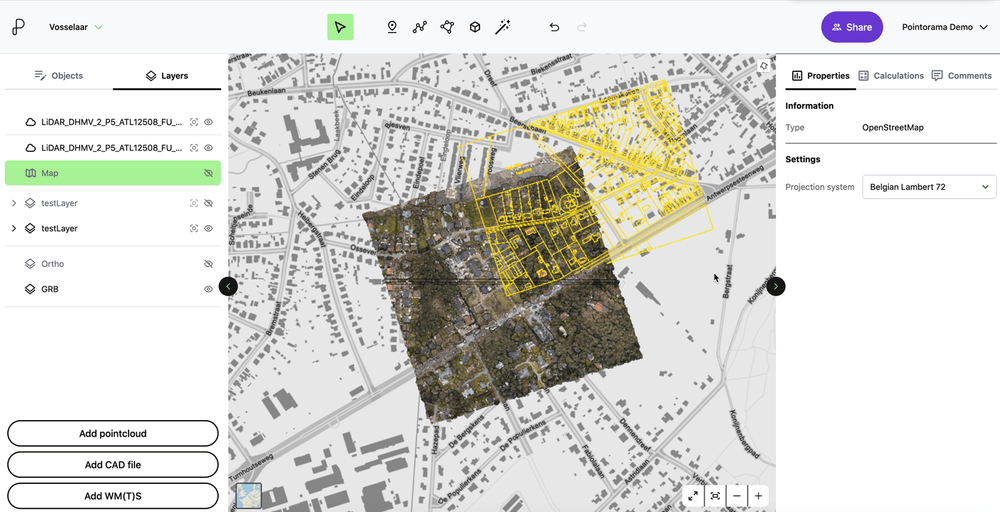
With the proliferation of IoT devices and sensors, the volume of spatial data generated in real-time is increasing exponentially. In response to this trend, point cloud technology is evolving to support real-time data processing capabilities. AI-driven algorithms can analyze incoming point cloud data streams in real-time, identifying patterns, anomalies, and actionable insights instantaneously. This enables stakeholders to make data-driven decisions on the fly, leading to improved efficiency and responsiveness in various applications, such as traffic monitoring, disaster management, and autonomous vehicle navigation.
Automated object recognition
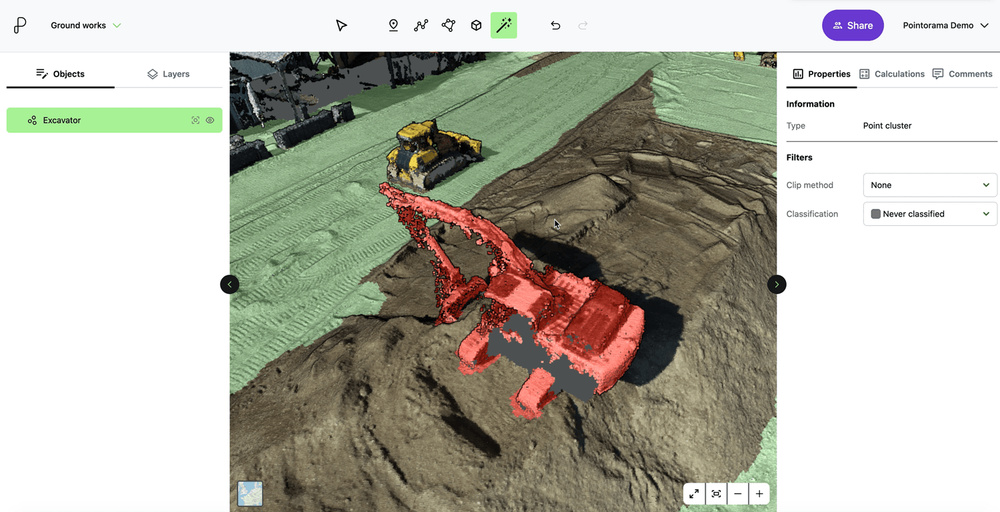
Traditionally, extracting features from point cloud data has been a labor-intensive and time-consuming task, requiring manual identification and annotation of objects. However, AI-powered algorithms are transforming this process by automating feature extraction from point clouds.
Machine learning models can be trained to recognize and classify objects such as buildings, trees, vehicles, and infrastructure elements within point cloud data with high accuracy and efficiency. This automated feature extraction capability streamlines workflows in applications such as urban planning, forestry management, and asset inventory.
Conclusion
As point cloud technology continues to evolve, the integration of artificial intelligence holds immense promise for unlocking its full potential. By embracing trends such as integration with BIM, real-time data processing and automated object recognition, stakeholders across industries can harness the power of point cloud data to drive innovation, enhance efficiency, and make informed decisions in an increasingly complex and interconnected world.
Related articles

Scanning is getting faster. Now the workflow needs to catch up.
SLAM scanning is faster and more accessible than ever, but what happens after the scan? At INTERGEO 2026, one challenge came up again and again: the bottleneck is shifting from capturing data to processing it. We look at why the next efficiency gain in reality capture lies in the journey from scan to deliverable.
The fastest way to create accurate floor plans
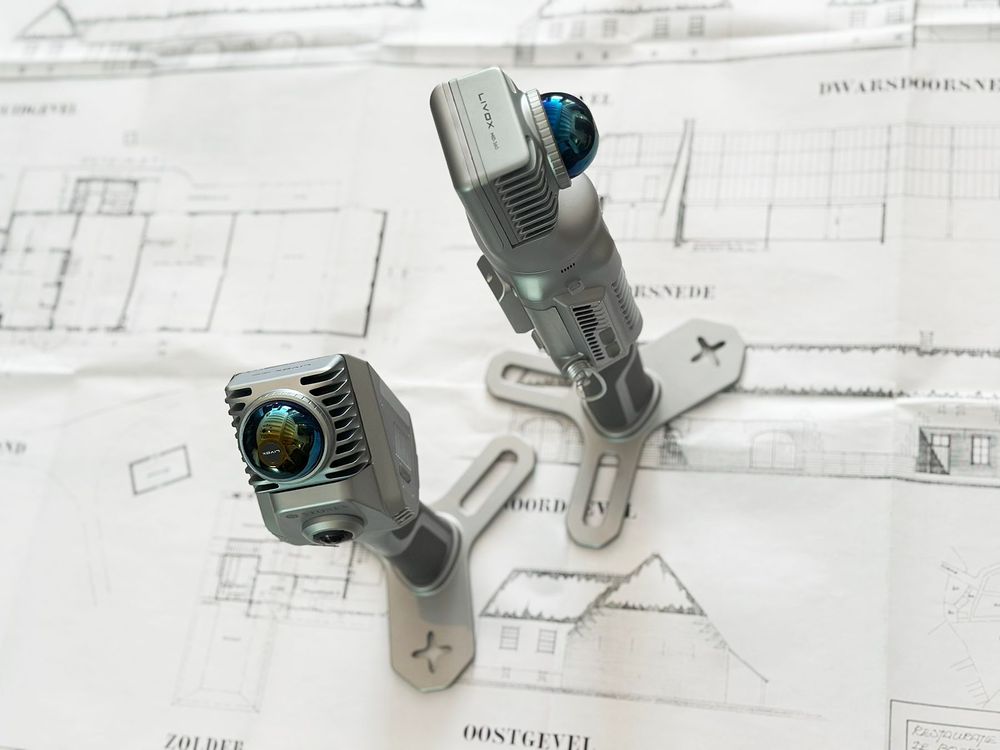
Our community is growing, and therefore an introduction is in order. Pointorama turns scans into accurate 2D and 3D floor plans within minutes. With centimeter-level precision and seamless export to CAD and BIM, professionals can work faster, smarter and without the hassle of manual cleanup.
Transforming real estate with 3D scanning
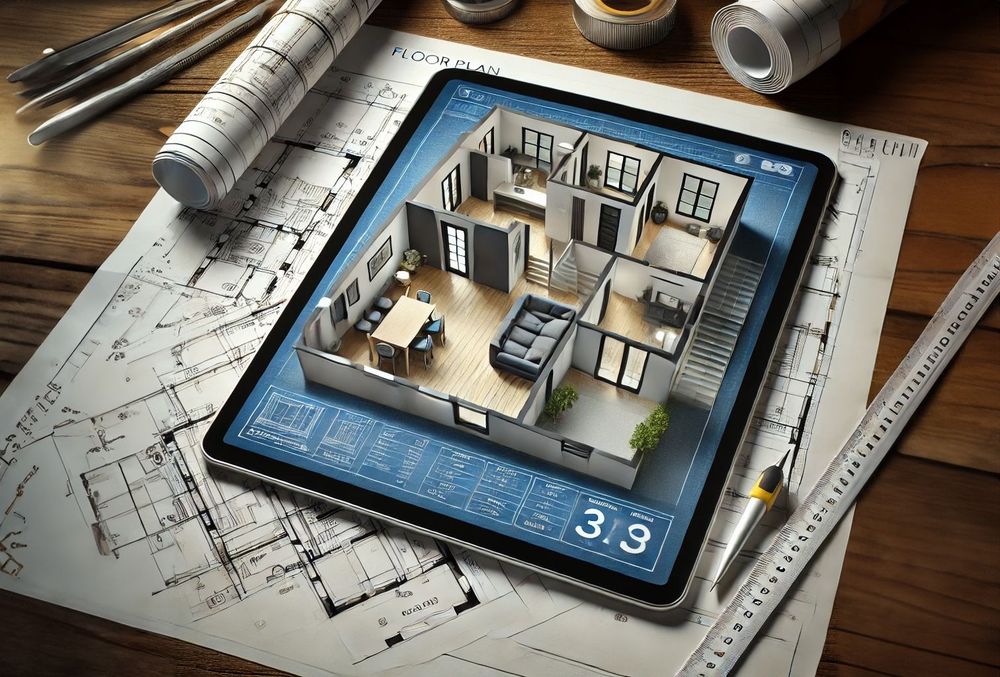
3D scanning is revolutionizing real estate by providing fast, accurate property measurements and detailed floor plans. With SLAM technology, professionals can quickly map properties and eliminate outdated blueprints. Tools like Pointorama turn raw scans into actionable insights, improving efficiency and decision-making.